Questions to Ask Before Appointing a Dubai Interior Design Company
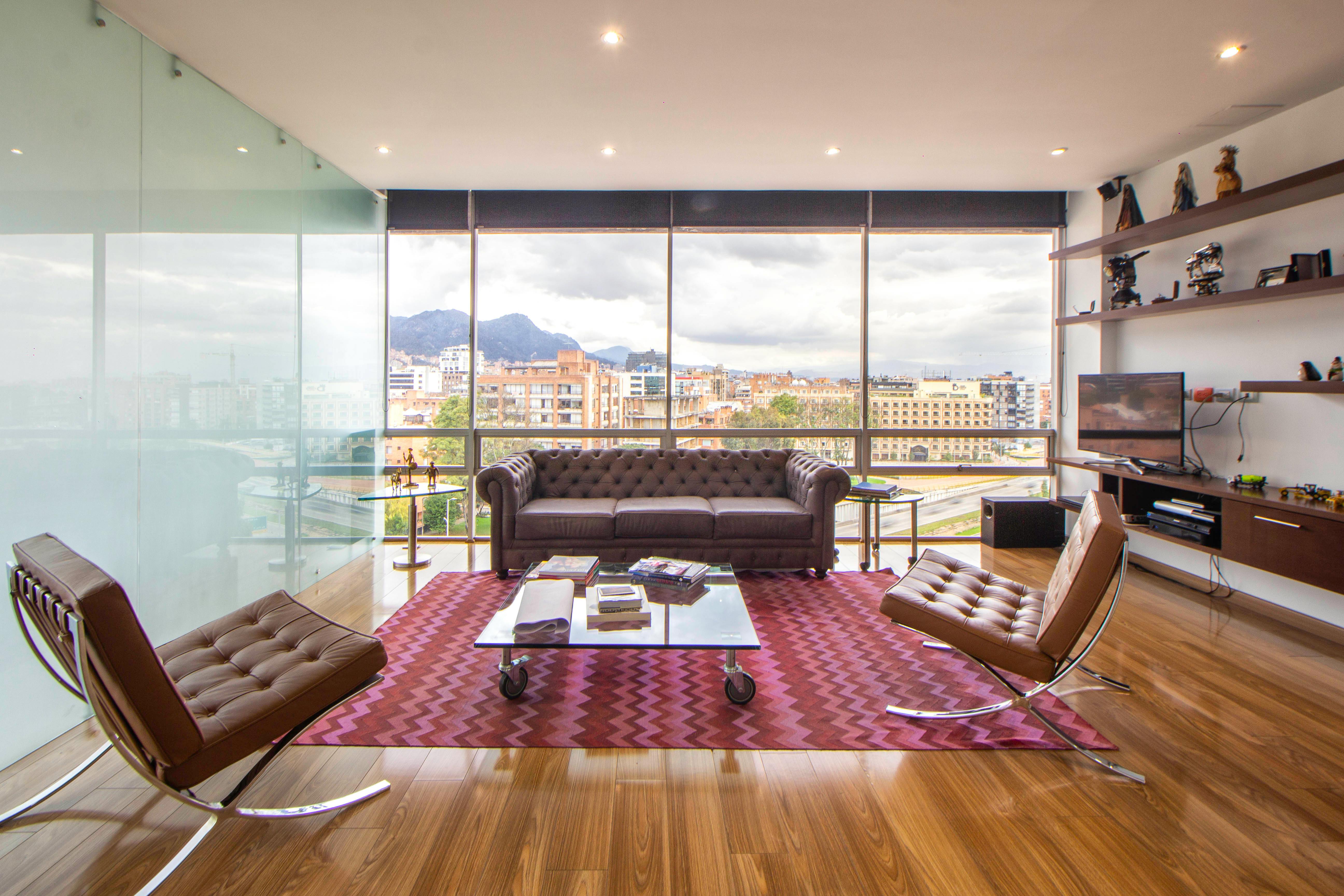
Choosing an interior design company in Dubai is a serious commitment of money, time and trust. The city’s market is awash with talented studios, which makes the selection process as important as the design itself. The best way to cover yourself is to ask incisive questions before signing anything. This guide sets out the questions that matter most, covering scope, approvals, timelines, payments and contracts. It reflects how projects really run in Dubai in 2026, including the regulatory steps unique to the emirate. Keep notes on every answer, because inconsistencies today frequently signal trouble later. Work through it methodically and you will quickly separate organised firms from disorganised ones. The questions here apply to apartments, villas, offices and hospitality spaces alike.
Are they offering design-only or design-and-build?
The first question is whether you are buying design only, or a full design-and-build service. Design-only firms hand you drawings and specifications, after which you hire a separate contractor to do the build. Design-and-build studios take the project from concept through to handover under one roof. Several Dubai firms are centred on in-house delivery, including Swiss Bureau Interior Design, Bond Interiors, USBC Interiors and MGM Interiors. CK Architecture Interiors similarly pairs in-house design topinteriordesigncompanyindubai.com/top-office-fitout with its own execution teams for luxury residential work. A single accountable partner can simplify coordination, but you should still confirm exactly where their responsibility ends. Ask which model they are proposing, because it affects your budget, timeline and level of day-to-day involvement. Getting this clear upfront heads off the most common source of finger-pointing later.
Who is responsible for NOCs, permits and approvals?
In Dubai, no fit-out or renovation can lawfully start until the right approvals are in place. You will typically need a No Objection Certificate (NOC) from the building owner or management, followed by a fit-out permit. Approving authorities depend on the location: Dubai Municipality covers most areas, while the Dubai Development Authority or Trakhees govern certain communities and free zones. Dubai Civil Defence takes care of fire and life-safety sign-off, and DEWA takes care of utility connections. A capable studio will take care of this paperwork and build it into the schedule. Ask directly who submits the applications and who pays the associated fees. Broadly speaking, many approvals clear in roughly three to ten working days, though complex projects take longer.
| Body | Role | Typical duration |
|---|---|---|
| Dubai Municipality (DM) | Main fit-out approvals in most areas | ~3–10 working days |
| Dubai Development Authority (DDA) / Trakhees | Sign-offs in specific communities and free zones | ~3–10 working days |
| Dubai Civil Defence (DCD) | Fire and life-safety approval | Project-dependent |
| DEWA | Utility hook-ups | Project-dependent |
What is a realistic timeline?
A reputable studio will give you a realistic timeline, not an optimistic one. As a 2026 benchmark, a typical apartment spans roughly six to ten weeks for combined design and fit-out. Villas typically take ten to fourteen weeks, and large luxury homes can stretch to twenty to thirty-six weeks. Behind those totals sit predictable phases you should ask them to break down. Concept design typically takes two to four weeks, with detailed design a further four to eight weeks. Permits and NOCs add roughly two to six weeks, execution four to eight weeks, and snagging one to two weeks. Ask how they protect the schedule when approvals or long-lead materials slip, because both are common in practice. Always ask for the schedule in writing so it can be tracked against reality.
How are payments structured?
Money should be discussed as plainly as design. Reputable Dubai studios link payments to milestones rather than demanding everything upfront. A common structure links instalments to concept sign-off, detailed design, procurement and completion stages. For design-only engagements, fees often run around 10 to 20 percent of the project budget, or roughly AED 175 to AED 550 per square foot (market estimates). Ask what each payment covers and what happens if you pause or cancel partway through. Clarify how variations are priced, since changes are where budgets quietly balloon. A firm that explains its payment logic clearly is usually one that runs disciplined projects. Insist that the final payment is linked to satisfactory completion and snagging.
What exactly does the quote include?
A headline price says little until you know what sits inside it. Ask for an itemised quote that splits out design fees, materials, joinery, MEP works and furniture. Confirm whether the figures are turnkey or omit finishes you might have expected to be included. For context, mid-range residential fit-out is commonly put at AED 200 to AED 400 per square foot, with luxury villas far higher (market ranges). Check how provisional sums and allowances are handled, as these can move the final total substantially. Ask whether snagging, cleaning and a defects-liability period are part of the deal after handover. A transparent, line-by-line quote is one of the strongest signals of a professional firm. If a studio resists itemising its numbers, treat that reluctance as a cause for concern.
Who will work on my project, and what is in the contract?
Finally, examine closely the contract and the people who will actually do the work. Ask to meet the designer and project manager who will handle your job, not only the salesperson who sold you the idea. Confirm the contract sets out scope, timeline, payment stages, variation pricing and a clear dispute process. Check for warranty terms and who is responsible if a supplier or subcontractor fails to deliver. Make sure drawings, approvals and intellectual property are dealt with explicitly in writing. Never rely on verbal promises, no matter how reassuring they sound in a meeting. A studio comfortable putting everything on paper is one you can usually trust.
Can you review their track record and references?
Portfolio and references say more than any sales pitch ever will. Ask to see completed Dubai projects that mirror yours in type, budget and style. Photographs are useful, but a site visit or a conversation with a past client is more telling. Find out how long the studio has operated and whether it has weathered different market cycles. Longevity is not everything, yet firms set up in the early 2000s often bring useful continuity. Ask for two or three recent references you can speak to directly. Check that the projects shown were really carried out by the current team, not just associated names. Consistent, verifiable evidence is worth much more than a glossy presentation.
How do they handle changes and communication?
Even well-run Dubai projects face changes, so ask how each firm manages them. Confirm you will have a single point of contact who knows the project in detail. Ask how often you will be updated on progress and in what format. Clarify the process for approving variations and how quickly revised costs are shared with you. Good studios record decisions in writing rather than relying on informal messages. Poor communication, not poor design, is at the root of many project disputes. A firm that sounds organised in these answers usually performs that way on site.
From Answers to a Decision
Great projects in Dubai are built on clear questions asked early, not on hope. Use the checklist above to stress-test scope, approvals, timelines, payments and contracts before you commit. The answers will reveal not just capability but how a firm communicates under scrutiny. For official guidance, refer to the authorities directly, such as Dubai Municipality and the Dubai Development Authority fit-out permit pages. Weigh every promising answer against your own budget and timeline before signing. Do this well and the design partnership begins on solid, professional footing. A little diligence now is much cheaper than resolving a dispute later.