Dubai Bedroom Design Ideas
Photographing well is not enough for a bedroom in Dubai: it must provide deep, cool rest under a sun that barely relents for much of the year. Calm styling meets very practical answers in the best bedrooms, tackling heat, glare and the tight footprints of tower apartments. From a rented one-bed in Jumeirah Beach Residence to a villa master suite in Arabian Ranches, the same core principles apply. The ideas that follow are laid out for mixing and matching rather than sticking to a strict formula. Each of them pairs a design goal with a concrete, buildable suggestion plus a sense of what it costs in 2026. Treat every figure as a market estimate, since finish level and furniture brand shift the totals significantly. Either read them in order or leap to the ones that match your home and budget.
1. Set Up Layered Lighting
Because one central ceiling light flattens a bedroom and does nothing for atmosphere, layering is the first upgrade worth making. Pair ambient light from recessed spots or a soft pendant with bedside task lighting and wall-washing accent light. In Dubai, dimmers are essential: bright, functional light while dressing and a warm, low glow after dark. Bedside sconces leave your nightstands clutter-free and allow reading without lighting the entire room. Warm colour temperatures near 2700K feel calming, while anything too cool reads clinical in somewhere meant for rest. A simple lighting refresh generally comes in between AED 3,000 and AED 12,000 in 2026, according to the fittings and whether the wiring changes.
2. Choose a Cool, Calming Palette
Colour tunes the emotional temperature of a bedroom, and in Dubai it can influence the perceived heat interior designers homes of the room too. Shades like warm white, sand, oat and pale clay are soft, light-reflecting tones that hold a cool, open feel even in strong daylight. Instead of soaking up light like dark walls, these neutrals bounce the abundant natural light deeper into the room. Instead of bold colour, build depth with texture and tonal variation, the quiet-luxury direction shaping local interiors in 2026. When you want bolder accents, introduce them via cushions, throws and a headboard you can change cheaply later. What follows is a reliable starting point and flatters both apartments and villas.
- For walls: warm white, oat, or pale clay to reflect light and settle the room.
- For bedding: stacked whites and gentle neutrals with one muted accent tone.
- Accents: terracotta, sage, dusty blue, or bronze in small, swappable doses.
- Timber: light oak, or walnut bringing warmth to the pale scheme.
3. Prioritise Solar Control and Blackout
In living spaces Dubai’s light is a gift, but it is the enemy of a good lie-in, which makes window treatment non-negotiable in a bedroom. Blackout comes before anything: a lined curtain, a blockout roller, or a smart blind you can close from your phone. A lighter sheer alongside lets you soften the daytime glare without plunging the room into darkness. Heat gain through glass drives up your cooling; so solar-control blinds serve both comfort and cost. More and more people choose motorised tracks since tall apartment windows are hard to reach and heavy to draw by hand. In 2026, a quality dual curtain-and-sheer setup sits around AED 2,500 to AED 9,000 per window, with motorisation adding to that.
4. Fit Built-In Wardrobes That Use Every Inch
The quiet hero of any well-run bedroom is storage, and built-ins beat freestanding wardrobes for both capacity and calm. A floor-to-ceiling joinery wall both reclaims the dead space above standard wardrobes and keeps clutter behind clean doors. Sliding doors avoid the swing clearance hinged doors demand from an already tight layout, which matters most in compact apartment bedrooms. If it is a villa, a walk-in dressing room is on the table, currently one of the most requested features locally. What goes inside, drawers, pull-outs, good lighting, matters as much as the doors, so work out the interior first. Built-in wardrobes commonly range from about AED 1,200 to AED 3,500 per linear metre in 2026, depending on finish and internal fittings.
5. Layer In Natural, Tactile Materials
Among 2026’s strongest currents in Dubai homes is biophilic design, the idea of connecting interiors to nature. Applied to a bedroom, it means natural textures that feel good to touch and quietly calm the nervous system at the end of the day. Think linen bedding, a wool or jute rug, rattan or cane detailing, plus timber that shows its grain rather than hiding under gloss. Hardy plants soften hard corners, though it is worth choosing varieties that cope with air-conditioned, low-light rooms. Ageing gracefully as they do, they suit the warm-minimalist mood that has replaced cold, all-white schemes. Next to structural work, layering these textures costs very little, yet it transforms how restful a room feels.
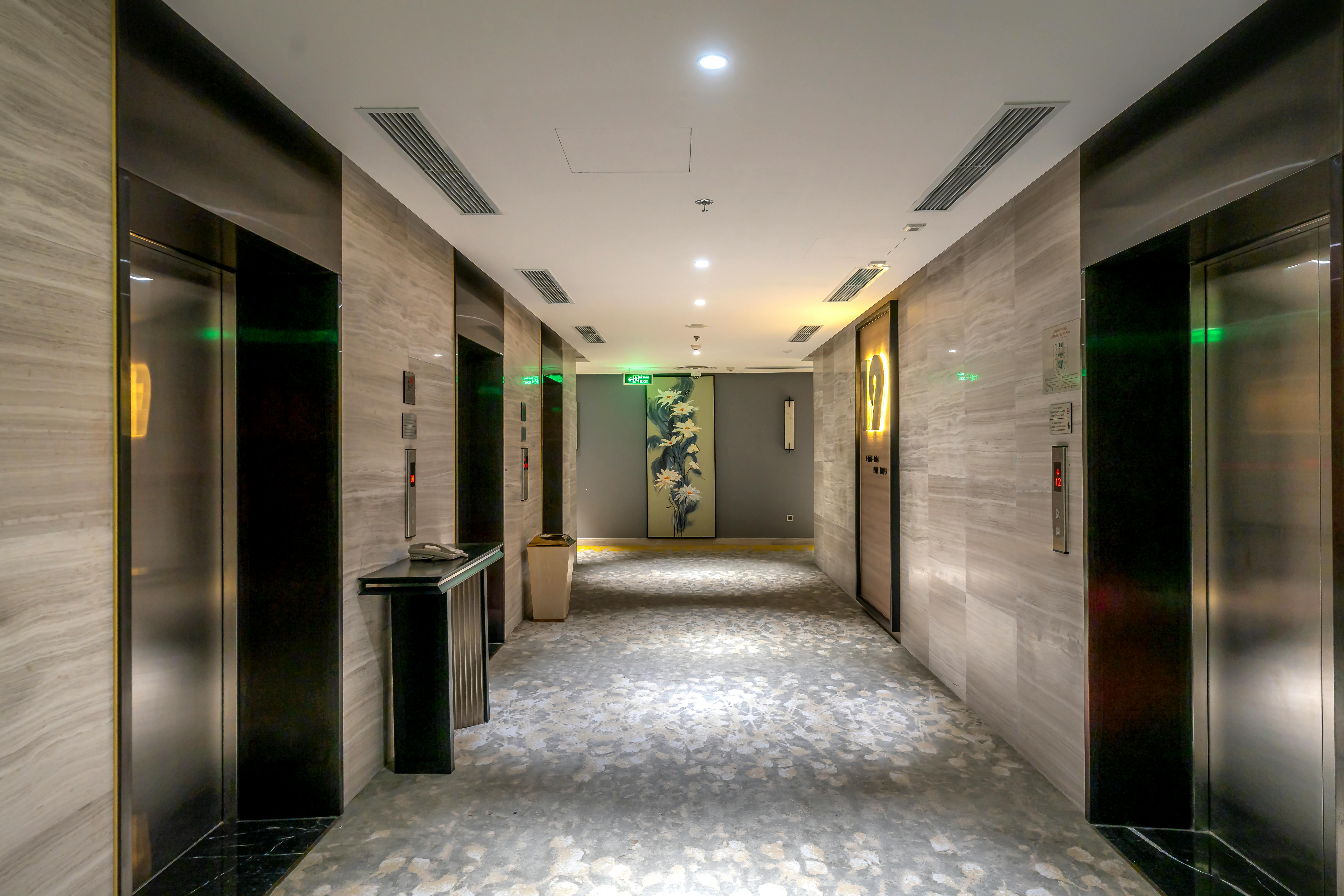
6. Style a Cool, Hotel-Style Master Suite
Plenty of Dubai homeowners want their bedroom to echo the five-star hotels Dubai is famous for, and that look is well within reach. The essentials are a deep upholstered headboard, symmetrical bedside lighting, crisp layers of linen, and a pared-back tonal palette. A bench at the foot of the bed, blockout drapes, and a slim console add the finishing hotel cues without overfilling the space. Across the city, studios like Muse Design, Zen Interiors, and Sneha Divias Atelier specialise in exactly this detail-led register. Have the space? Zoning a reading nook or a lounge chair by the window turns a bedroom into a proper retreat. In 2026, a hotel-style master refresh typically runs from around AED 40,000 for styling to well past AED 150,000 for a full villa suite.
7. Set Up Smart-Home Comfort
Smart-home integration has shifted from nice-to-have to expected in Dubai’s newer buildings, and the bedroom is where it earns its keep. Thanks to motorised blinds, app-controlled lighting and a smart thermostat, you can set the room for sleep with a single tap. Since timing the cooling to your sleep improves comfort and energy use, climate control is especially valuable here. Modest touches like bedside USB charging, wireless pads, and discreet cable management remove the daily friction of devices. Running the wiring now, while you renovate, is much cheaper than going back into finished walls later. From around AED 6,000, a tidy smart-bedroom package climbs with the number of integrated systems in 2026.
8. Style Kids’ and Guest Rooms for Flexibility
As family needs change and visitors come and go, secondary bedrooms work hardest when they can shift roles. A daybed or a sofa bed turns a study into a part-time guest room without tying up a room for occasional guests. For kids, modular pieces and adjustable shelving stretch the life of the room as they grow from toddler to teenager. Given the wear these rooms get, durable, wipe-clean finishes matter more than in a show bedroom, so lean on hard-wearing paints and laminates. Keep the backdrop quiet; let bedding, art and accessories bring the colour, since they are easy to change. In 2026, a flexible secondary bedroom fit-out commonly falls between AED 15,000 and AED 45,000, depending on joinery and furniture.
Turning the Ideas Into a Budget
Having chosen the ideas that fit your home, it helps to see how they add up across different room types. The table below splits typical 2026 spends into a light refresh of paint, lighting, textiles and styling and a full redesign of joinery and furniture. These are market estimates rather than quotes, as always, and the final figure hangs on finish level, brand and whether you use a designer. Apartments tend to cost less simply because the rooms are smaller and the scope narrower. Given their scale and the pull of dressing rooms and premium finishes, villa master suites lead the range. Prioritise with the figures: spend where it counts nightly, save where it does not.
| Room type | Light refresh (2026 est.) | Full redesign (2026 est.) | Where the budget goes |
|---|---|---|---|
| Flat bedroom | AED 12,000–30,000 | AED 35,000–90,000 | Lighting, soft furnishings, built-in wardrobe, bed |
| Master suite in a villa | AED 25,000–60,000 | AED 90,000–250,000+ | Custom joinery, dressing room, high-end furniture |
| Kids’ or guest room | AED 10,000–25,000 | AED 30,000–70,000 | Modular furniture, hard-wearing finishes and storage |